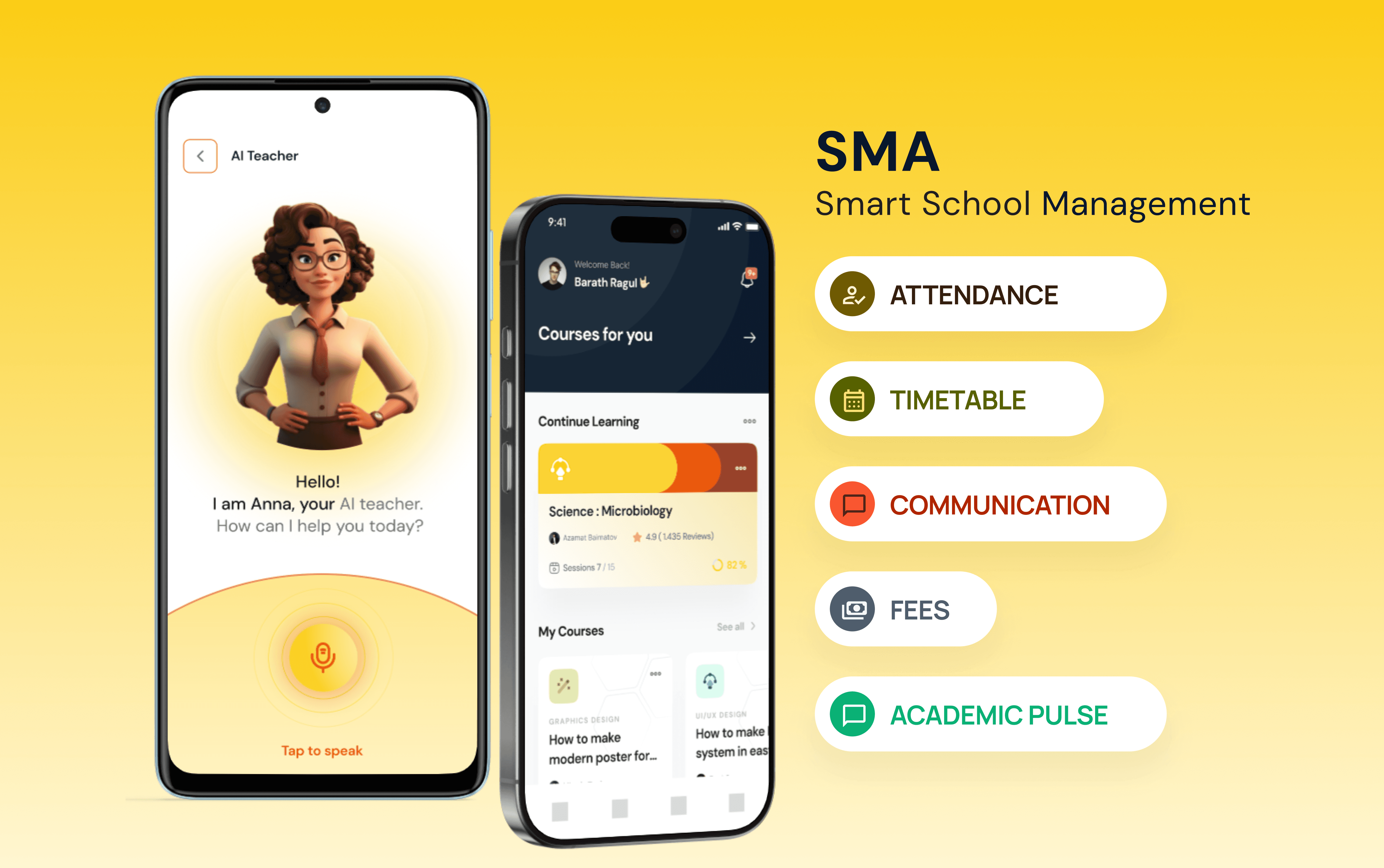


From real-time GPS transport shields to AI-generated assessments, see how we’ve digitized K-12 operations for the modern era. Click through to discover how SMA reduces administrative paperwork by 60% while putting your school’s brand at the center of the innovation.
The Challenges
The "Before" State
Before adopting SMA, most institutions face a series of operational bottlenecks:
Safety & Anxiety
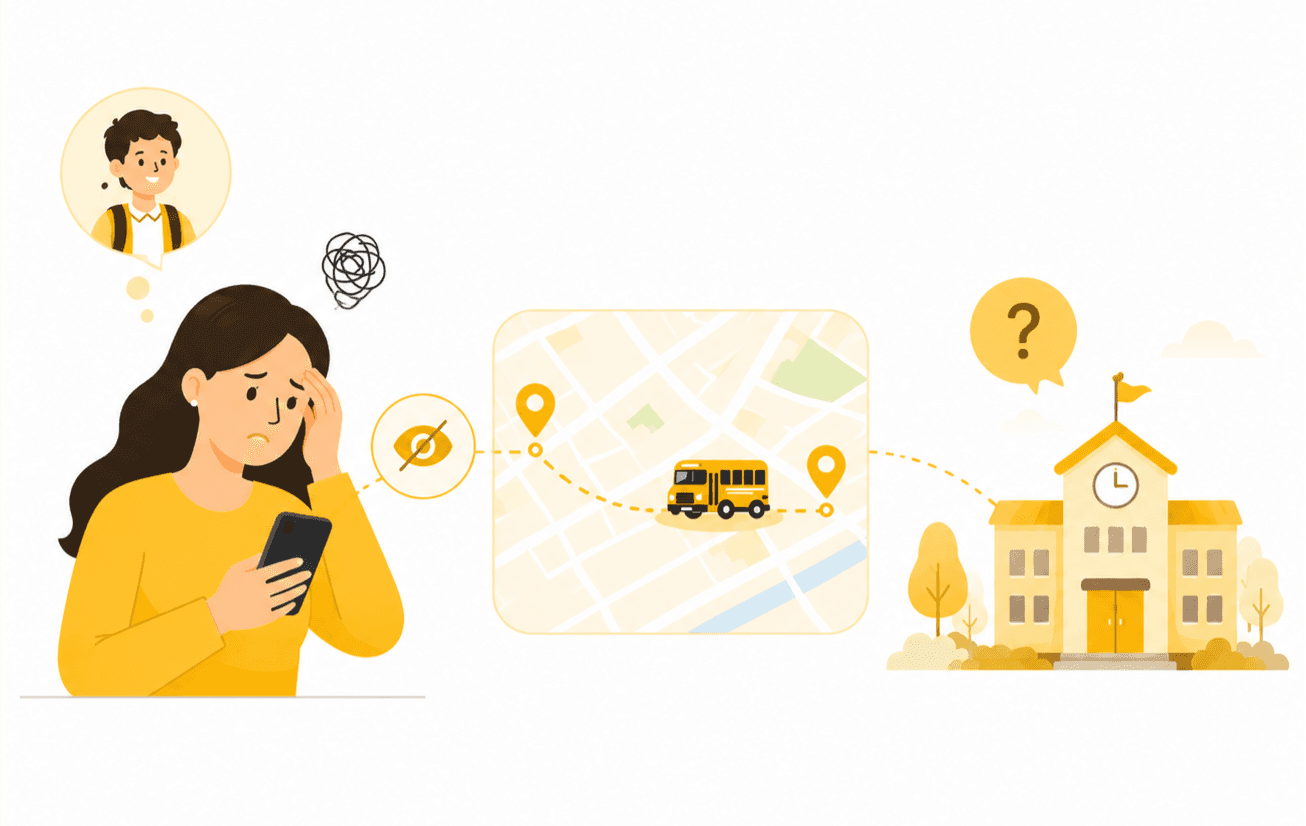
Parents lack visibility into their child’s commute, leading to high-volume inquiry calls to the school office regarding bus locations.
Assessment Fatigue
Teachers spend a disproportionate amount of time creating test papers and grading, leaving less time for personalized instruction.

Administrative Drain
Fee collection, inventory control, and attendance tracking are handled via paper or basic spreadsheets, leading to frequent human error and reconciliation delays.

Communication Gaps
Vital information (hostel updates, timetable changes, or fee reminders) often fails to reach the right stakeholder in real-time.

Learning Limitations
Students have no access to 24/7 academic support once they leave the classroom.

Need help with your assignment?
Students struggle to get instant guidance after school hours, causing interruptions in learning continuity and doubt resolution

Stretch for 2 minutes
A quick reset helps reduce stiffness.

Review your next task
Stay on track for the next hour.

Take a 5-minute break
Your focus session is almost done.

Plan the next day
A quick reset helps reduce stiffness.
Evening reset
Tidy up and prepare for tomorrow.
Drink a glass of water
You’re behind today’s hydration goal.

Clear your desk
Create a clean, distraction-free space.

Silence notifications
Protect your focus for what matters.

Posture check
Sit tall and realign your body.
The Solution
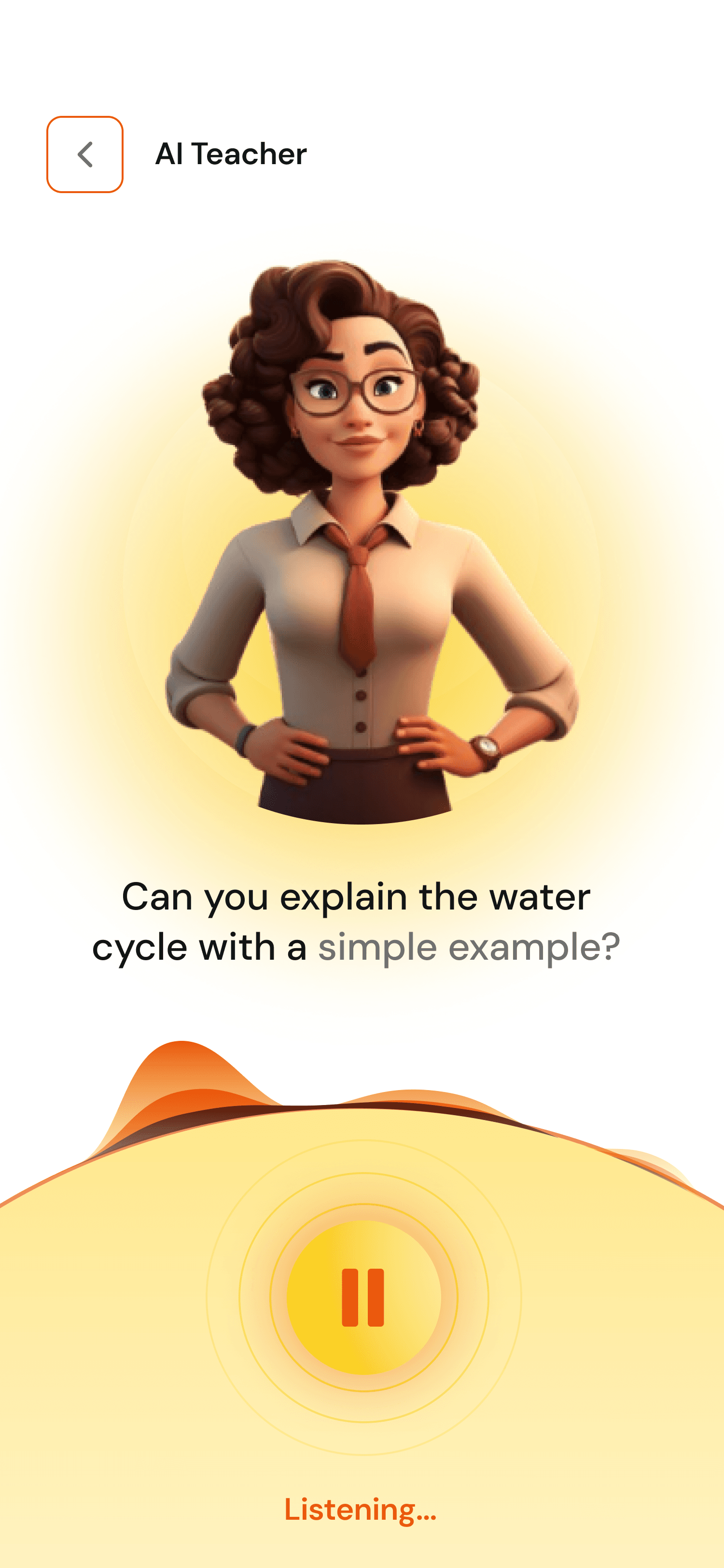
The AI Teacher & Test Generator
Provides 24/7 doubt clarification for students and allows teachers to generate comprehensive tests from PDF uploads in seconds.


The Transport Shield
Custom Branding (White-Label)
Schools maintain their 10-50-year legacy by deploying the platform under their own logo and colours, reinforcing brand authority.


The Warden & Hostel Module
Specifically manages residential logistics, from room allocation to warden attendance, ensuring student safety in boarding facilities.
"Before vs. After"
Key Success Metrics
Conclusion
The School Management System is more than just an administrative tool; it is a catalyst for institutional evolution. By solving the core problems of safety, communication, and academic support, SMA allows educators to refocus on their primary mission: Teaching. As institutions face growing competition, the transition from manual "survival mode" to an AI-enhanced "growth mode" via SMA becomes a critical competitive advantage. SMA helped the institution move from reactive administration to proactive, data-driven management-improving safety, efficiency, and learning outcomes within a single platform